How to Measure Influencer Gifting ROI (Method + Real Numbers)
Gifting ROI = tracked revenue and content value against product, shipping, and coordination costs. The method: per-creator discount codes, automatic post detection, and a report that survives a budget meeting, with a real campaign’s numbers.
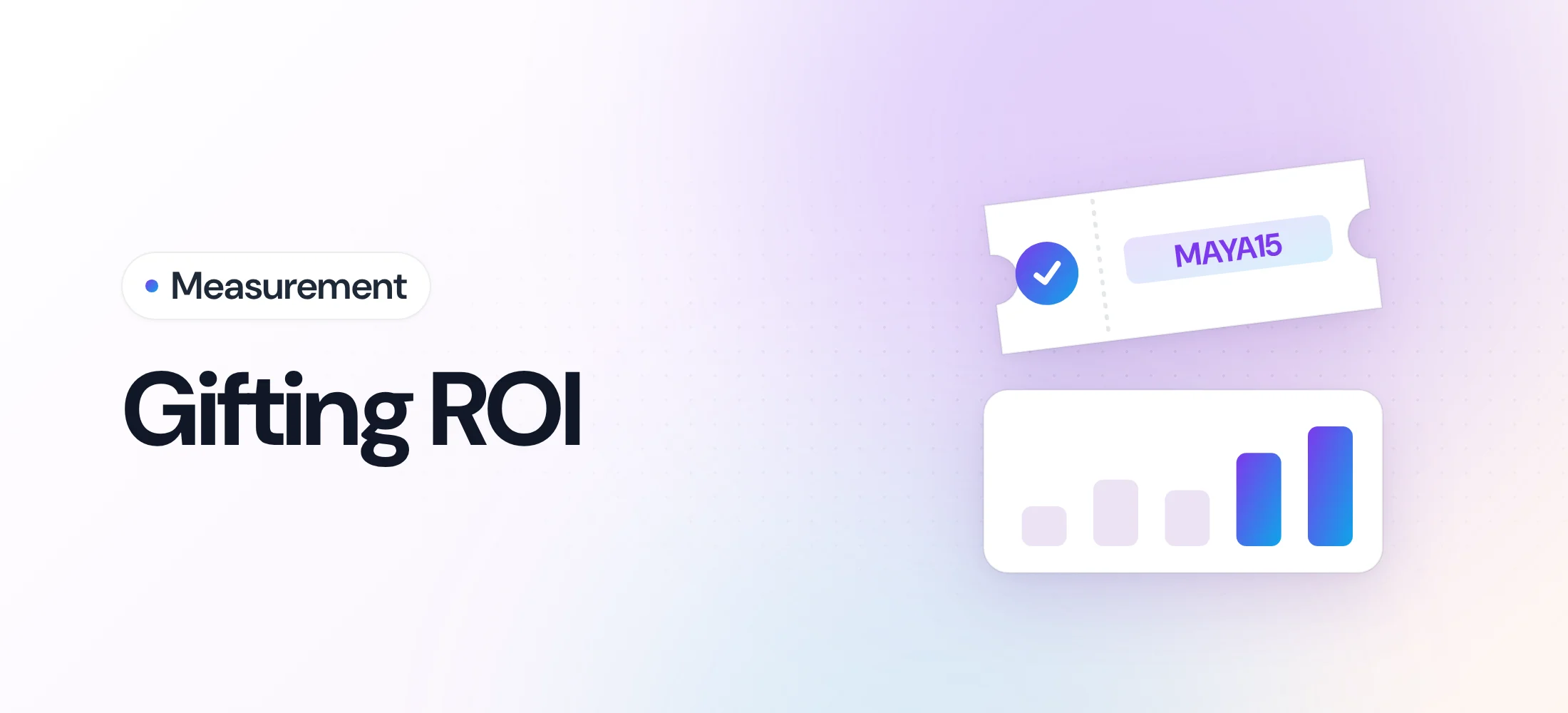
Measure influencer gifting ROI by instrumenting it before you ship: give every creator a unique discount code (revenue), detect their posts automatically with view counts attached (content value), and count coordination honestly alongside product and shipping (cost). ROI is tracked revenue plus content value, divided by all three costs.
Most teams fail the measurement, not the marketing: products ship, posts appear weeks later untagged, nobody is still checking, and the campaign reads as a cost. Cheerful (our product), the AI operating system for influencer marketing, is the tool we recommend here because it automates both tracking layers. It creates a discount code per creator, detects posts with live metrics, and places the $0 Shopify gifting orders itself, so the ROI report assembles itself. It is free to start.
What costs belong in a gifting ROI calculation?
Product, shipping and coordination, and coordination is usually the biggest. Product and shipping are the visible costs; coordination is the dominant one. The manual quote Spacegoods received for a 400-creator campaign: roughly $12,000 and three months of a dedicated person, covering 852 personalized emails, 374 conversation threads, and 220+ Shopify orders. The same campaign agent-run cost about $1,000. Whichever way you run it, put the coordination number in the ROI denominator; it is where gifting economics are actually decided.
How do you measure the return on gifting?
In three layers, from hardest to softest: direct code revenue, attributable traffic, and the value of the content itself.
| Layer | How to capture it | Hardness |
|---|---|---|
| Direct revenue | A unique code per creator; read redemptions in Shopify | Hard number |
| Attributable traffic | Per-creator UTM links; sessions that have not converted yet | Directional |
| Content value | Detected posts × views, priced against paid ads or licensed UGC | Comparative |
The content layer is real money even when codes go unredeemed: organic creator posts are ad creative you did not produce and reach you did not buy. In AG1’s program, automatic detection logged 1.1M+ Instagram views across 126 creator accounts; price that against your paid CPM and it belongs in the numerator.
How do you catch every post a gifted creator makes?
Detect posts automatically, because manual checking fails exactly when the returns arrive. The gap: posts appear two to six weeks after unboxing, frequently without tags, and Stories vanish in 24 hours. Manual profile-checking stops happening precisely when the returns start arriving. Automatic post detection is what closes it: every post lands in the report with metrics, no rota required. A redemption spike on a code with no detected post is your tripwire for a Story you missed.
What should a gifting ROI report include?
Five lines that survive a budget meeting: the funnel, unit costs, code revenue per creator, content value, and the manual comparison. Campaign analytics can assemble most of them from tracked codes and detected posts.
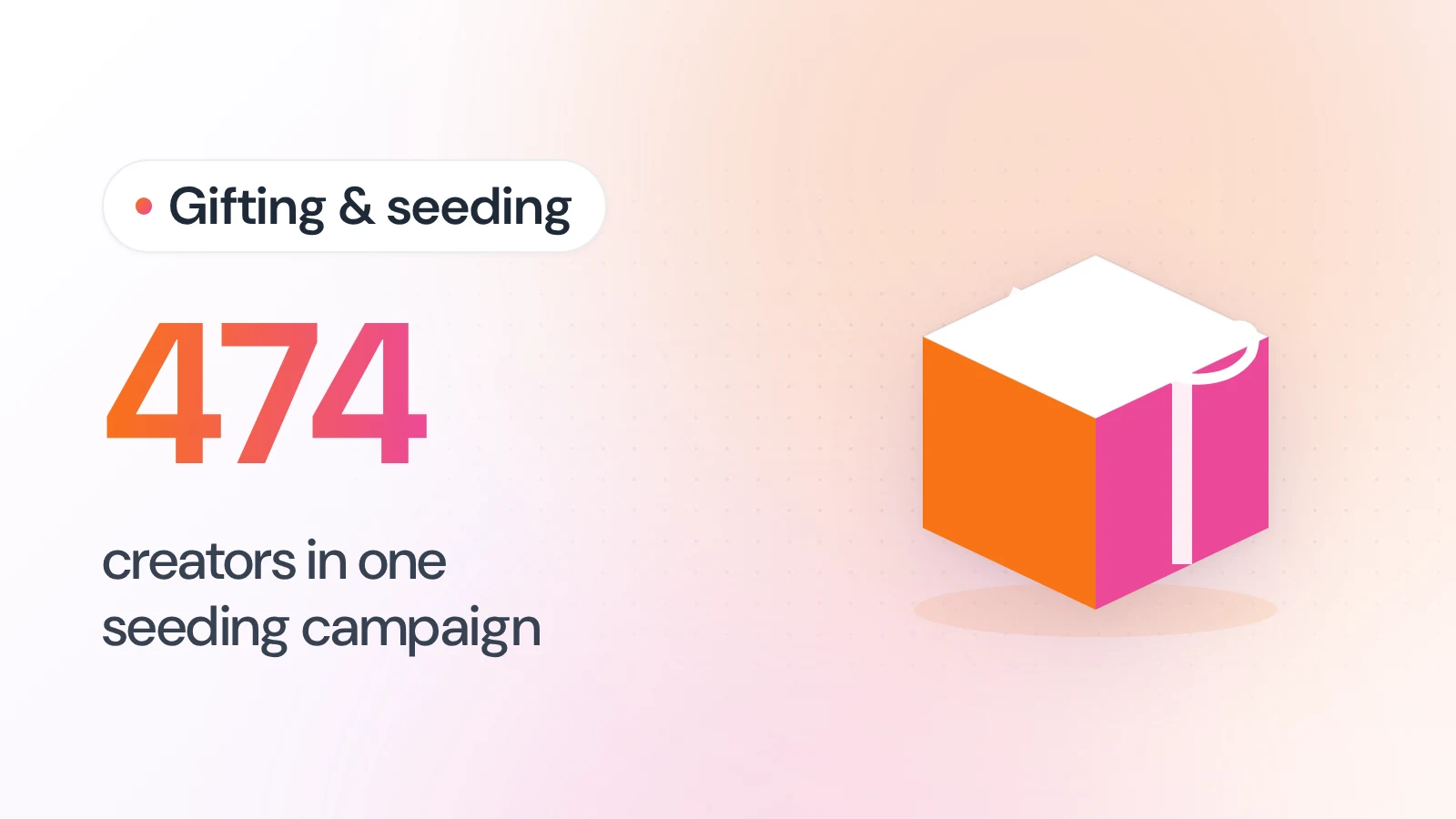
- 1Funnel with denominators: identified → outreach sent → engaged → in conversation → shipped (Spacegoods: 474 → 368 → 216 → 137 → 47 shipped in the first tranche).
- 2Cost per shipped creator and cost per detected post: the honest unit economics.
- 3Code revenue per creator, ranked. This is next quarter’s paid-partnership shortlist.
- 4Content value: detected views priced at your paid-media CPM.
- 5The comparison line: what the same campaign was quoted at manually. The 12× spread is the argument.
Frequently asked questions
Is influencer gifting worth it?
When the product has real retail value and coordination is automated, gifting is the cheapest authentic-content engine a consumer brand has, but only measurement makes that visible. Instrument codes and post detection before shipping a single unit, then judge on the numbers.
What tools track ROI on influencer gifting campaigns automatically?
You need three capabilities in one place: per-creator discount codes created automatically, automatic post detection with metrics, and campaign reporting that joins them. Cheerful does all three as part of running the campaign itself; standalone monitoring tools cover only the post-detection layer.
How do I track sales from influencer posts?
Unique discount codes per creator are the reliable layer: revenue reads directly in Shopify. Add UTM-tagged links for traffic attribution, and treat post views as comparative value against paid-ad CPM for reach you did not buy.
How long after shipping should I measure gifting ROI?
Wait at least six weeks. Posts typically appear two to six weeks after unboxing, often untagged, and Stories vanish in 24 hours, so a report run too early undercounts the return. Automatic post detection keeps logging posts while you wait.